Heck Records couldn’t let the Prince of Darkness ride off to conquer Hell without an appreciation post.
After Lars Ulrich, Ozzy Osbourne is the most important person in this history of metal. I’m kidding. Ozzy is number two, but only next to his Black Sabbath bandmate Tony Iommi. Iommi was the first person to build a song around the tritone, the diabolus in musica, with an electric guitar, so he gets the credit for creating the whole genre.
Besides, Ozzy didn’t like being pigeonholed as a “metal musician” anyway. He saw himself as a rock & roller, and felt that his ballads were as much a part of his musical makeup as the riffy, chuggy devil stuff.
After all, the real “it’s getting dusty in here” moment during July 5th’s Back to the Beginning Concert wasn’t Ozzy’s reunion with his occasionally estranged Black Sabbath mates, it was his performance of 1991’s power ballad “Mama, I’m Coming Home.”
With lyrics written by another unkillable rock star who has recently (impossibly) died, Lemmy Kilmister, “Mama, I’m Coming Home,” isn’t a celebration. It’s a resignation. Composed during one of Ozzy’s more lasting periods of sobriety, it’s reportedly dedicated to his wife, Sharon, who was a good enough sport for not charging him with attempted murder after he strangled her during a blackout in 1989.
At Ozzy’s farewell show, a mere 17 days before his death, the song he sings doesn’t seem to be directed at his wife (or his mother), so much as God Herself, who gifted him with the luck of circumstance to follow his dreams, the talent to follow through with them, and the grace to let him live even when he did things that would’ve flatlined your average, everyday rockstar.
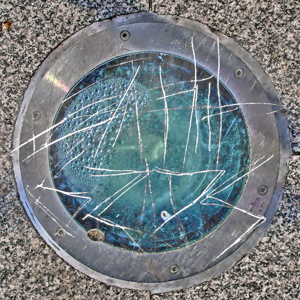
Today we’re celebrating a dark horse in the Ozzy canon, Sabotage, their sixth album, from 1975. Depending on who you ask, Sabotage is between the third and sixth best Ozzy-era Sabbath album (I have it fourth between Vol. 4 and their debut), but that just goes to show what a hot streak these guys were on from 1970-1975. Six albums, all bangers. And they invented a genre of music.
The album is also transitional, in that it found the band writing both more complex (“Symptom of the Universe”) and more pop-friendly (“Am I Going Insane (Radio)”) songs, a trend that would come to its apex – and the band’s nadir – on their next two albums. Go figure, Black Sabbath sounded better playing heavy metal rather than prog-pop. But back in 1975, Sabotage’s synthesizers, pop choruses, and the English Chamber Choir felt more like seasoning to the Sabbath sound, rather than the main course.
The opener “Hole in the Sky” is the kind of giant rocker that every band (including ours) hopes one day to write. During the mid-’70s, Sabbath toured constantly, fought off their parasitic management, and consumed enough drugs and alcohol to kill a horse, but, when it came time to record an album, Iommi could always unearth a new ground-shaking riff.
The proto-trash of “Symptom of the Universe” finds Ozzy at peak banshee. I don’t think he ever sounded better with Sabbath, which is wild, considering all the smoke he was sucking into his lungs and cocaine he was pounding through his sinuses. “Symptom” also has the brilliant idea to transition a ripping electric guitar solo into a flamenco-inspired outro. Any band that has jammed two discordant parts together using a volume swell (I’m guilty), owes Sabbath.
“Megalomania” is a multi-part, hellbent-for-leather rocker, a kind of prog-metal that still inspires bands like Elder. Drummer Bill Ward does his best Bonham on “The Thill of it All,” which pounds like a Zeppelin blues, before, halfway through, the synthesizers enter, and the song jumps to a major key. Ozzy, who usually seems either haunted, depressed, or demonic, sounds all of a sudden sounds…happy. It’s unnerving.
“Supertzar” is the one with the choir. We can probably blame it for symphonic metal. And “Am I Going Insane (Radio)” is the poppy one. For the record, if you have to ask, you probably are, but you should probably back off the Columbian schizo powder before you call the guys with the butterfly nets. It’s also the closest Ozzy sounds to solo Ozzy than anything else he created with Sabbath.
In “The Writ,” Ozzy, writing his own lyrics for a change (typically bassist Geezer Butler wrote Sabbath’s words), trash talks their manager over another multi-part hard rock suite. Initially, Queen bit Sabbath, by 1975, Sabbath was biting them. As far as a closer goes, it’s not exactly Master of Reality’s “Into the Void,” but it’s pretty good for their fourth (or sixth) best album.
As I said above, Sabbath continued with Ozzy as their singer, released two albums that even their diehards dislike, and then kicked Ozzy out for the crime of somehow doing even more drugs and alcohol than the rest of the band.
It was the best thing that could’ve happened for everyone.
Sabbath enlisted a more technically gifted singer, Ronnie James Dio, and came back revitalized with Heaven and Hell, and Osbourne (with the help of his manager and future father-in-law, Sharon’s dad Don Arden) enlisted a more technically gifted guitarist, Randy Rhoads, and came back revitalized with Blizzard of Ozz. And all the metal fans got two classic albums instead of one limp pile of rockshit.
And then we had all the members of Sabbath in our lives for 45 more years!

In 1965 Roger Daltrey sang, “I hope I die before I get old.”
Fuck that.
It’s horseshit. There’s nothing romantic about drowning in your own vomit, blowing your brains out because you couldn’t talk about your feelings, or croaking at middle age in bed next to a groupie because you snorted a fat rail of coke instead of taking blood pressure medication. That’s pathetic and sad.
Daltry is now 81, by the way.
In 1979, Neil Young, who’s now 79, sang, “It’s better to burn out than to fade away.”
As we enter the Twilight of the Gods – critic Steven Hyden’s term for the senescence of our classic rockers – I’m struck by how many have been able to make artistic statements with their deaths. Leonard Cohen released You Want It Darker, a spare rumination on the End, 17 days before he departed the mortal realm. David Bowie released Blackstar, an album as brilliant and vital as anything he released in the 1970s, before dying two days later. And now we have Ozzy Osbourne, the Prince of Darkness himself, hosting his own funeral and wake two weeks before departing to the Great Beyond.
Gods never fade away. They only become more godlike.